

 +91-9818758771
 Login
Login
-
Meat vs. Fruit: Which Dog Birthday Cake Flavor Should You Choose?
The best dog cake flavors depend on your dog’s regular diet, stomach sensitivity, and food choices. When it comes to meat vs. fruit dog cake, choose fruit flavors for dogs with sensitive digestion or a sweet tooth, and meat flavors for savory-loving and active carnivores. Meat flavors are suitable for energetic breeds and working dogs…
-
Are Marie Gold and Digestive Biscuits Safe for Dogs?
Britannia Marie Gold biscuits are round tea-time snacks. Many Indian pet parents share their evening tea-time Marie biscuits with their dogs as a quick snack. They are non-toxic, light, and better than human cookies. They are low in protein and high in carbs. Dogs can eat Marie biscuits as an occasional treat, but in small…
-
Are Jerky Treats Safe for Dogs? A Guide to Dehydrated Meats
Dog-specific and fully dehydrated jerky treats from trusted brands are healthful for dogs. Dogs should eat properly prepared jerky treats, made from suitable meat, in appropriate portions. Factors like contamination, poor processing, and unsafe ingredients can make a meat treat into a health risk. Are jerky treats safe for dogs? This question haunts many dog…
-
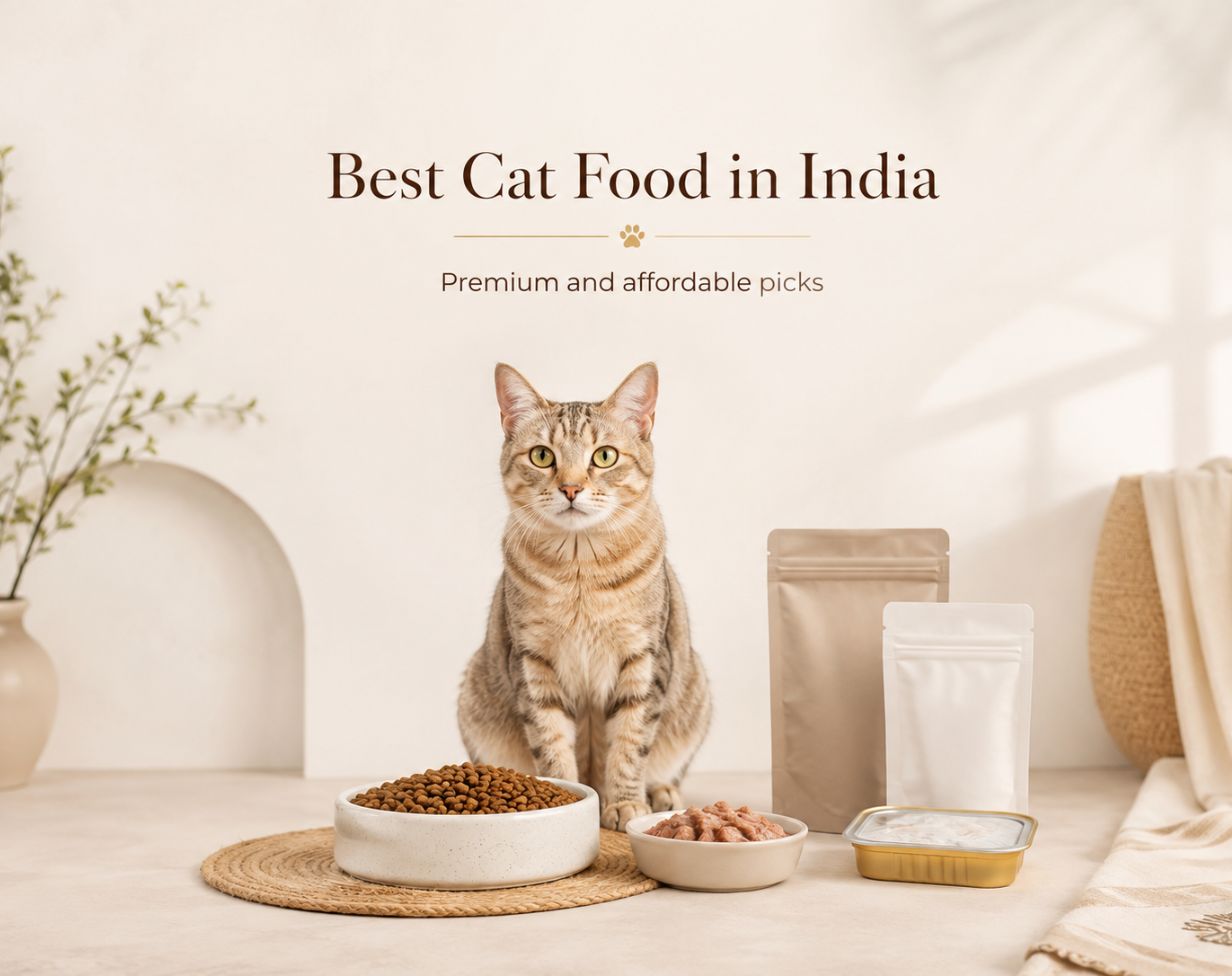
The Best Cat Food in India for 2026
Cat owners can choose the best cat food in India in 2026 based on their cat’s health, age, and lifestyle. Don’t just buy a brand blindly because of marketing buzzwords like ‘grain-free’ or ‘ultra-premium’. Instead, choose a balanced formula tailored specifically to your feline companion’s unique health needs. With dry and wet cat foods available…
-
Can Dogs Eat Paneer? Benefits and Risks of Indian Cottage Cheese
Most dog owners ask, ‘Can dogs eat paneer?’ Yes. Healthy adult dogs can eat raw, plain, and salt-free paneer in moderation as an occasional treat. Fat-, protein-, and calcium-rich paneer can cause digestive issues in some dogs due to their fat and lactose content. Paneer is a dairy product that offers many nutritional advantages for…
-
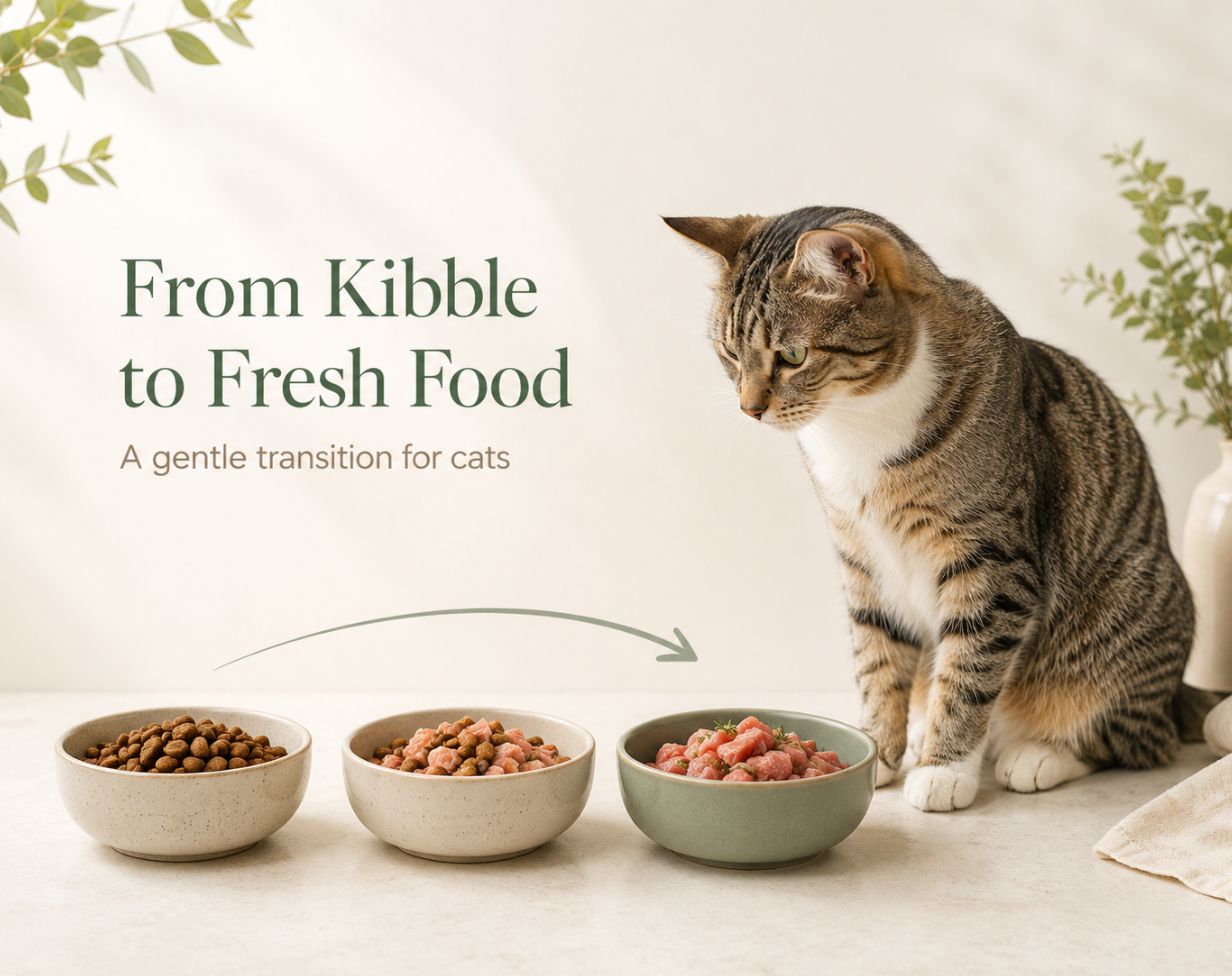
How to Transition Your Cat from Dry Kibble to Fresh Food
Cat owners need time, tricks, and patience when introducing a new food to their pets because some cats are highly sensitive to sudden dietary shifts. Cats are notoriously picky. Switching them to fresh food from dry kibble should be gradual. It should be based on a vet-recommended cat food transition schedule of 7-14 days. Cat…
-
Is Ghee Safe for Dogs? Ayurvedic Superfood or Danger?
Ghee, or clarified butter, made from animal milk, is beneficial for adult, healthy dogs if given in moderation. Being a source of saturated fat and conjugated linoleic acid (CLA), ghee can support metabolic health, offer dense energy, and reduce inflammation in dogs. Is ghee safe for dogs? If served as a regular treat without considering…
-
Top 10 Vet-Recommended Dog Food Brands in India
From breed-specific Royal Canin to low-grain formula Farmina N&D to premium biotic diet Orijen, there is a long list of best dog food brands in India for 2026. Vet-recommended dog food brands are widely known for their solid nutrition profiles. No pet food is 100% perfect. Choosing the right food for dogs depends on the…
-
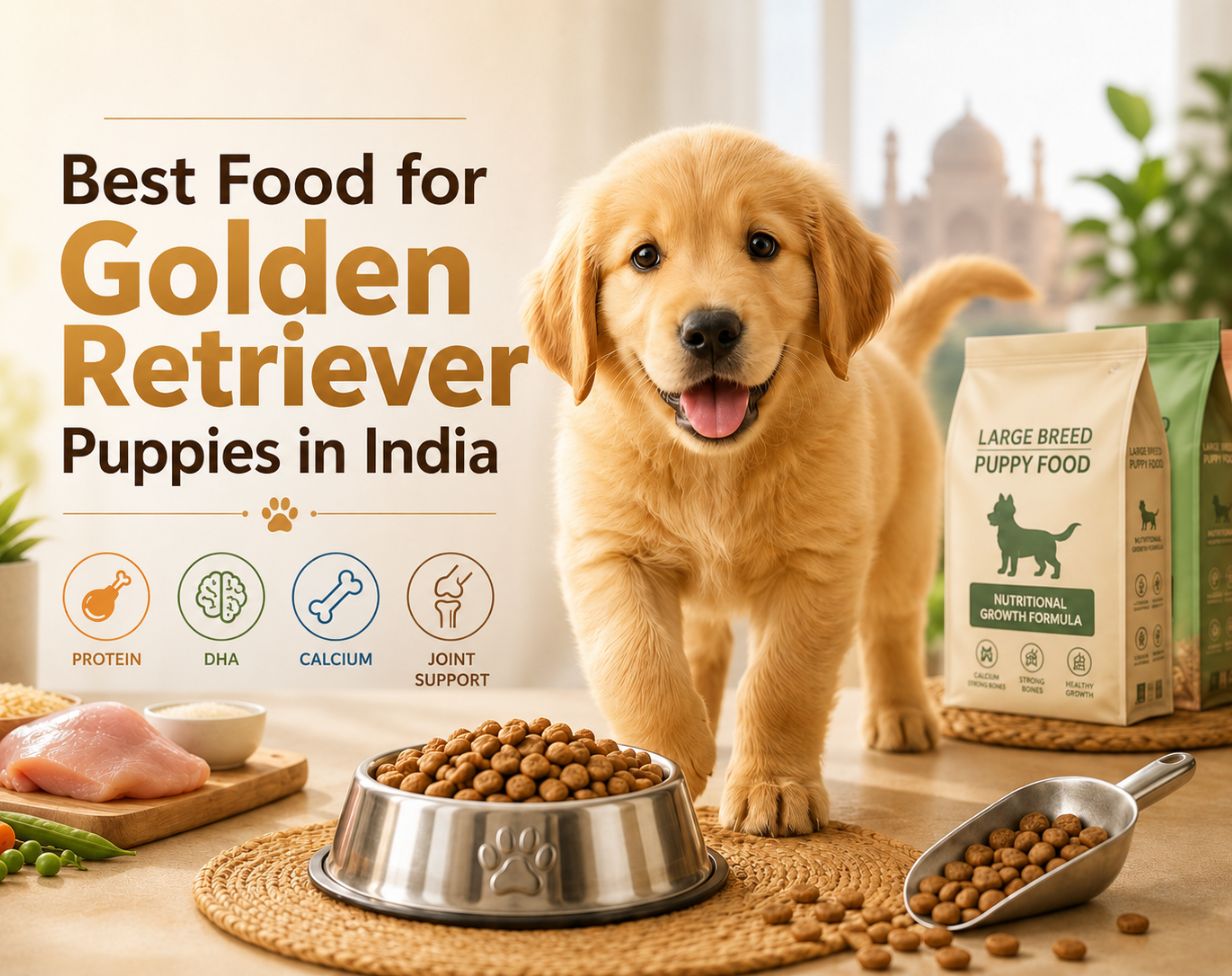
Which Food Is Best for Golden Retriever Puppies in India?
The Golden Retriever is a highly active, rapidly growing large breed known for its incredibly hearty appetite. This large breed dog needs a nutrition-rich diet as it progresses in its life. A large-breed puppy food in India offers essential nutrients, calories, protein, and calcium for the pet’s rapid growth. When it comes to fulfilling nutritional…
-
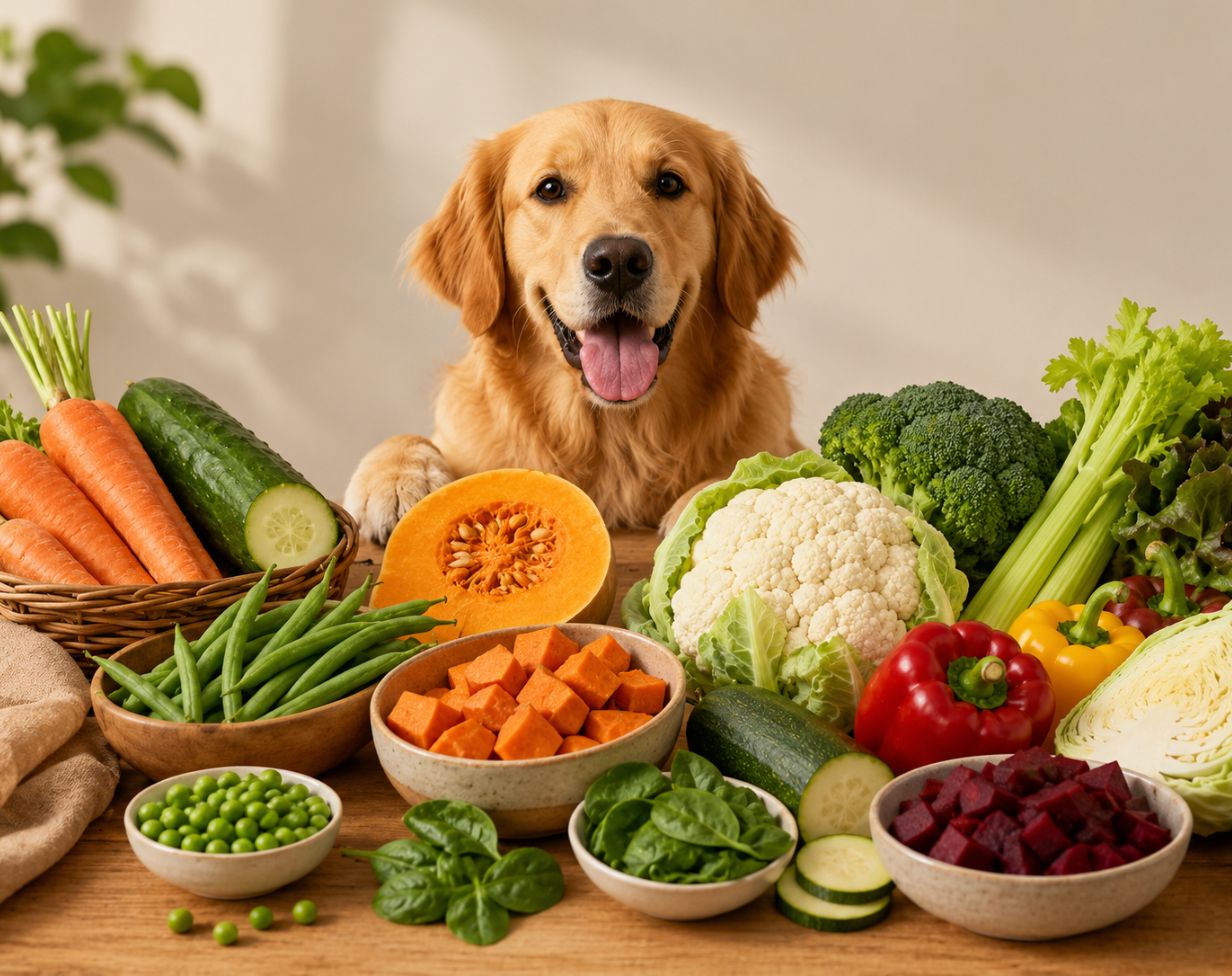
15 Safe Vegetables for Dogs: Healthy Ingredients for Pup Treats
From carrots to pumpkins and green beans to sweet potatoes, dog-friendly vegetables carry healthy ingredients for pup treats. They are safe vegetables for dogs as they contain pet-safe dietary fiber, essential vitamins, low-calorie nutrition, and natural antioxidants. Vegetables are safe for dogs when they are non-toxic and contain no harmful compounds, avoiding the risk of…
-
Can Cats Eat Dog Treats? A Pet Parent’s Safety Guide
Many dogs eat cat treats in moderation. Can cats eat dog treats? Both cats and dogs have different nutritional needs. That is why cats can’t eat dog treats. But an accidental bite of a dog treat is not harmful for cats. Dog treats aren’t for felines because cats are obligate carnivores, and they need a…
-
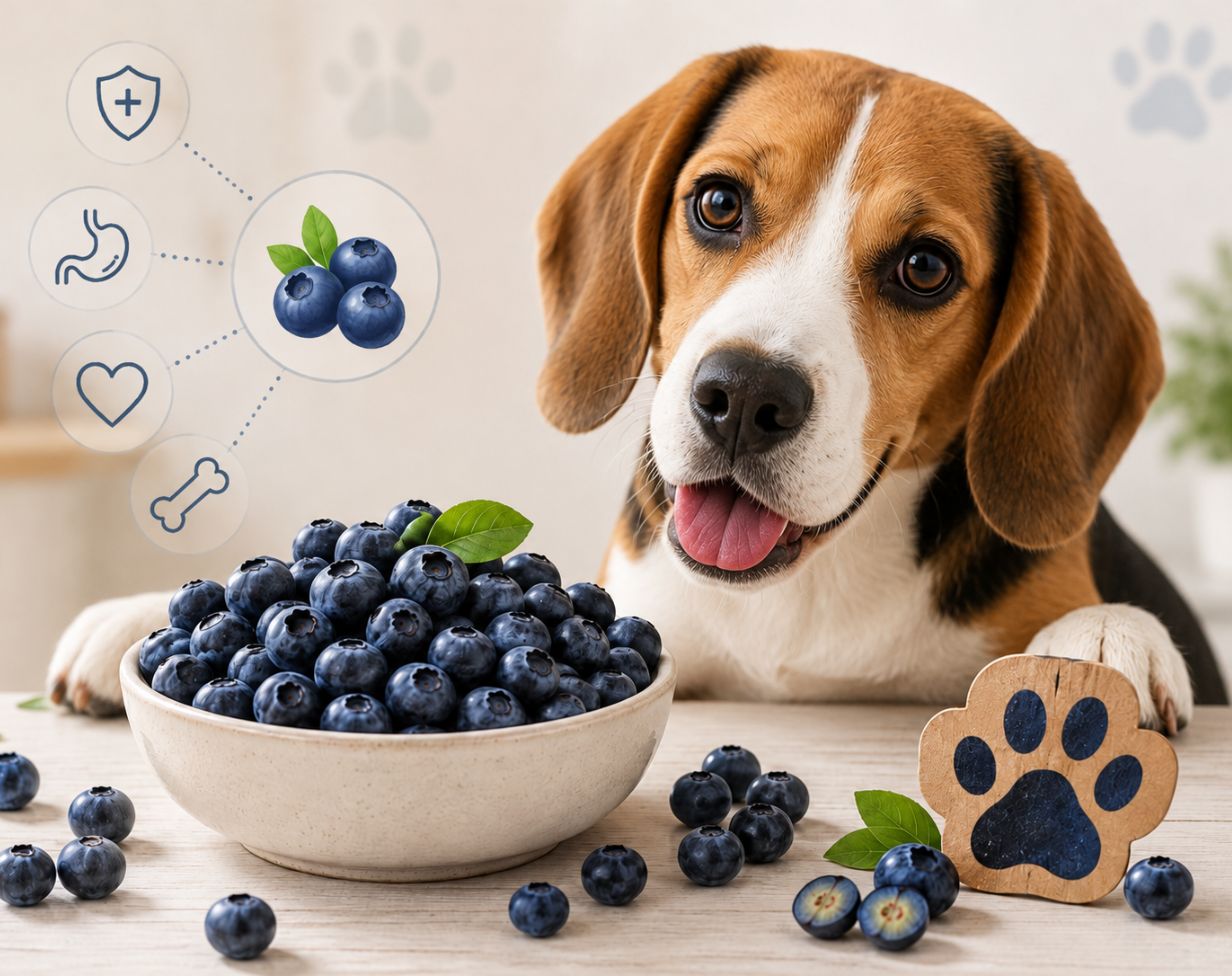
Can Dogs Eat Blueberries? The Antioxidant Powerhouse for Pet Treats
North American native blueberry is a nutrient-rich edible berry. It is celebrated as a “superfood” due to its high concentration of dietary fiber, antioxidants, and vitamins. Humans love blueberries for their health benefits, but can dogs eat blueberries? Yes, dogs can safely eat blueberries in moderation. Perfect for low-calorie snacking, they support a healthy immune…
-
Can Dogs Eat Peanut Butter and Coconut Butter? Safe Treat Ideas
Can dogs eat coconut butter and peanut butter? Yes, healthy adult dogs can eat plain, 100% natural, and xylitol-free peanut butter and coconut butter in moderation. Rich in Medium-Chain Triglycerides (MCTs), coconut butter helps promote a shiny coat and boosts cognitive function. Peanut butter is a popular high-value training treat that carries heart-healthy fats, plant-based…
-
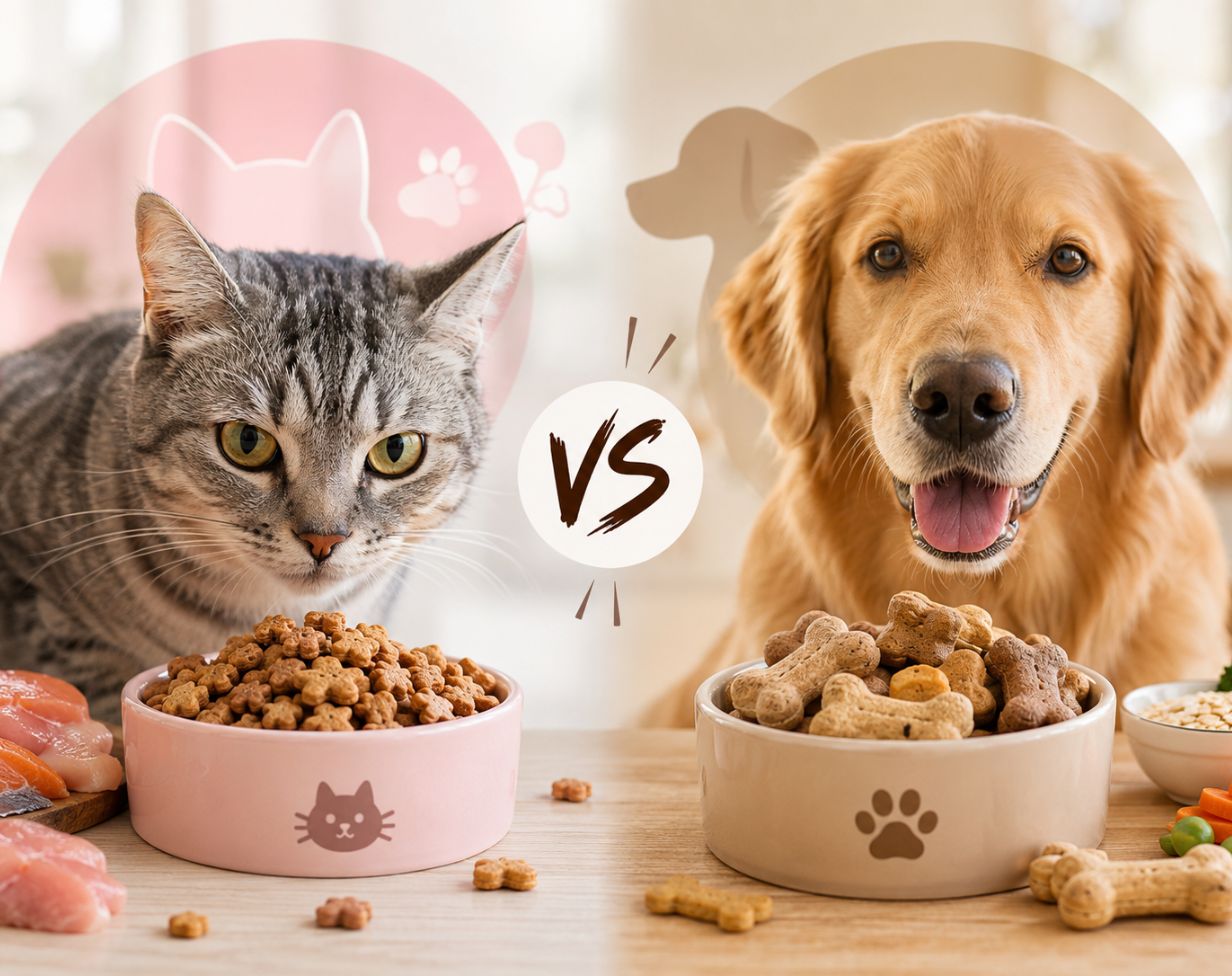
Cat Treats vs. Dog Treats: What’s the Real Difference?
Cat treats and dog treats are not similar in terms of nutritional value. Cats are obligate carnivores, and they need treats that are higher in protein and fat. Dogs are omnivorous, and their dietary needs are fulfilled with animal proteins, vegetables, grains, and fruits. That is why pet parents need to understand the difference between…
-
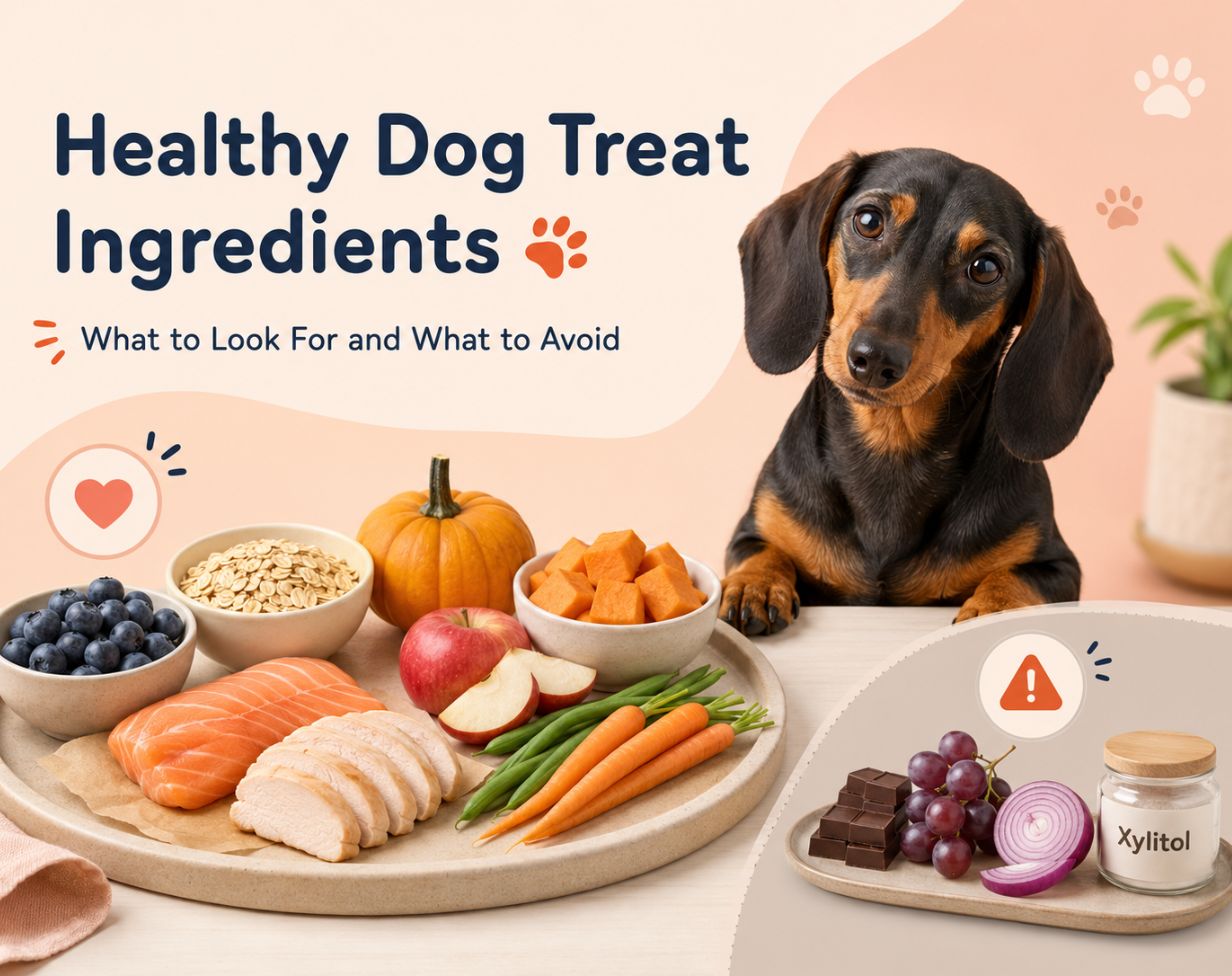
Healthy Dog Treat Ingredients: What to Look For (And What to Avoid)
A healthy and natural dog treat focuses on canine-friendly nutrition and transparency. For healthy dog treat ingredients, dog owners should look for limited ingredients and identified proteins (chicken breast and beef liver). Also check functional additives (flaxseeds and blueberries) and natural preservatives. Clearly avoid artificial preservatives (BHA, BHT, and propylene glycol), cheap fillers (corn and…










Recent Posts
- How Many Dogs Should You Invite to a Dog Birthday Party?
- First Birthday Ideas for Puppies: A Complete 1st Birthday Celebration Checklist
- Dog Birthday Invitation Ideas: Wording, Themes, and Digital Invite Examples
- Dog Birthday Party Games: 12 Fun Activities for Dogs and Pet Parents
- Dog Birthday Photoshoot Ideas: 15 Creative Setups for Instagram-Worthy Pictures
Categories
- Breed Facts & Lifestyle (12)
- Cat Care & Celebration (13)
- Dog Care & Wellness (17)
- Food Safety & Nutrition Tips (70)
- Party Ideas & Planning (33)
- Recipes & Bakery Guides (42)
- Uncategorized (2)