

 +91-9818758771
 Login
Login

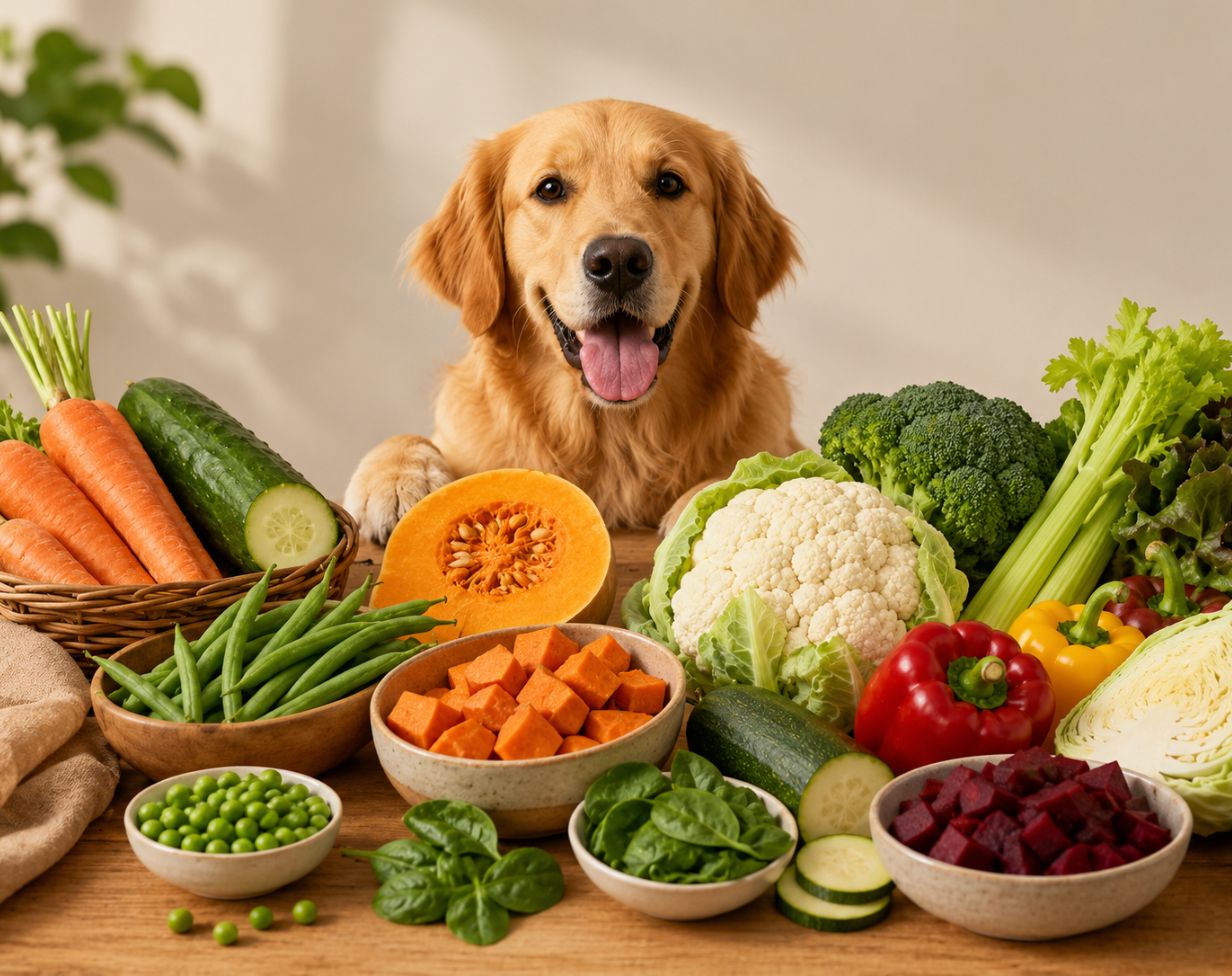
From carrots to pumpkins and green beans to sweet potatoes, dog-friendly vegetables carry healthy ingredients for pup treats. They are safe vegetables for dogs as they contain pet-safe dietary fiber, essential vitamins, low-calorie nutrition, and natural antioxidants.
Vegetables are safe for dogs when they are non-toxic and contain no harmful compounds, avoiding the risk of choking and intestinal blockages. Vet-approved fruits and vegetables offer multiple health benefits to all dog breeds when served plain and in moderation.
What vegetables can dogs eat? Most pet owners ask this question before introducing different veggies to their pets. For health-conscious dog owners, this blog shares 15 pet-safe vegetables with healthy ingredients for pup treats.
Healthy Veggies for Dogs
Non-toxic veggies are low-calorie and offer healthy vitamins. Vegetables with no chemical toxicity are healthy for multiple dog breeds.
1. Carrots
Low in calories and rich in beta-carotene, carrots are the best for dogs as dental-friendly snacks and training treats. The crunchy texture of carrots helps pets satisfy their chewing instincts. Always serve raw carrots in small pieces. You can also offer lightly steamed carrots.
2. Sweet Potato
Sweet potatoes are widely famous for their healthy ingredients, including fiber, potassium, vitamin A, and vitamin B6. Make sure you cook sweet potatoes well before feeding.
3. Cucumber
Cucumber is a hydrating vegetable that contains water, very few calories, and lower amounts of vitamin K. Owners of overweight dogs looking for low-calorie snacks can ideally use cucumber. It works well during warm weather.
4. Pumpkin
Naturally low in fat, pumpkin is a vet-recommended vegetable that offers better digestive support. Being rich in soluble fiber, pumpkin is widely used by dog bakeries for making dog cakes. They use plain cooked pumpkin. They also use 100% pumpkin puree, having no spices or sugar.
5. Green Beans
Another fiber-rich vegetable, green beans, is an excellent low-calorie snack. Being a good source of vitamins A, C, and K, this veggie helps pets feel full. You can serve fresh, steamed, and frozen beans to pets anytime.
6. Zucchini
Zucchini is naturally low in calories. That is why it is gentle on digestion. It works well for dogs when offered raw or steamed. It is widely baked into homemade treats.
7. Broccoli
Broccoli provides antioxidants, vitamin C, and fiber. Pet owners should offer broccoli in small portions. Excessive amounts of broccoli can cause digestive discomfort.
8. Spinach
Spinach is rich with antioxidants, iron, and vitamins. Don’t take it as a regular treat. Owing to the presence of oxalates, spinach can be harmful for dogs with certain kidney conditions.
9. Bell Peppers
Bell peppers are safe when they are red, yellow, and green. They offer dogs multiple benefits through antioxidants, vitamin C, and vitamin A. Make bell peppers totally seed-free.
10. Celery
Celery is healthy and crunchy. It comes with hydration features and fiber. It can pose a choking risk. So, cut celery into bite-sized pieces.
11. Peas
Green peas are quite healthy with ingredients like fiber, plant protein, and vitamins B, C, and K. You can opt for frozen or fresh peas. Ensure that you avoid canned and salty peas.
12. Lettuce
Lettuce is easy to digest, high in water, and low in calories. It is a refreshing snack for dogs. Pets enjoy this crunchy vegetable.
13. Cabbage
Pets can eat cooked cabbage only because it provides fiber and vitamins. But dogs can experience gastric trouble. So, introduce it gradually.
14. Cauliflower
Cauliflower is rich with fiber, antioxidants, and vitamin C. Make sure you serve cooked or steamed cauliflower only in small portions.
15. Beetroot
Cooked beetroot comes with fiber, folate, and manganese. It should be offered in small amounts due to its natural sugar content.
Best Vegetables for Overweight Dogs
Pet owners can manage their dog’s weight with a few healthy vegetables. These make the best snacks.
- Carrots (calories with nutrients)
- Celery (crunchy)
- Cucumber (high water content)
- Green beans (low in calories and filling)
- Lettuce (hydrating and light)
- Zucchini (easy to digest and low-calorie)
You can replace high-calorie treats with vegetables with lower calories. Ask your vet before introducing any veggie to your pet.
Vegetables That Are Toxic to Dogs
Like healthy vegetables, there are many vegetables that are toxic to dogs. The following are some veggies that should be avoided.
| Toxic Vegetable | Primary Health Risk to Dogs |
| Onions | Destroys red blood cells and causes anemia |
| Garlic | Highly toxic; causes anemia and GI distress |
| Chives | Can cause severe red blood cell damage |
| Leeks | Highly toxic to the canine digestive and circulatory system |
| Wild Mushrooms | Can be highly poisonous, causing liver failure or death |
Contact your vet immediately if your dog accidentally eats any of these vegetables.
Conclusion
Vegetables are a healthy addition to your dog’s daily diet. They offer valuable nutrients, like hydrating cucumbers, fiber-rich pumpkin, and crunchy carrots. Try the right vegetables that are non-toxic and help create healthier snacks. Always buy fresh vegetables for a nutritious treat.
FAQs
Dogs can eat pumpkin, carrots, and cucumbers daily. Other popular options are green beans and zucchini. Serve these veggies in moderation.
Yes. Dogs can eat raw carrots and cucumbers in moderation. Don’t feed raw sweet potatoes. Cook them well before feeding.
Overweight dogs can eat low-calorie snacks, like green beans, cucumbers, and zucchini. Celery and lettuce are other better options.
Onions, garlic, and wild mushrooms are highly toxic to all dog breeds. Strictly avoid chives and leeks, as they can be poisonous.